
A parent may want a bike for longer weekend rides. Their child may be most excited about reaching the playground and choosing where to stop for a snack. A successful family bike setup makes room for both.
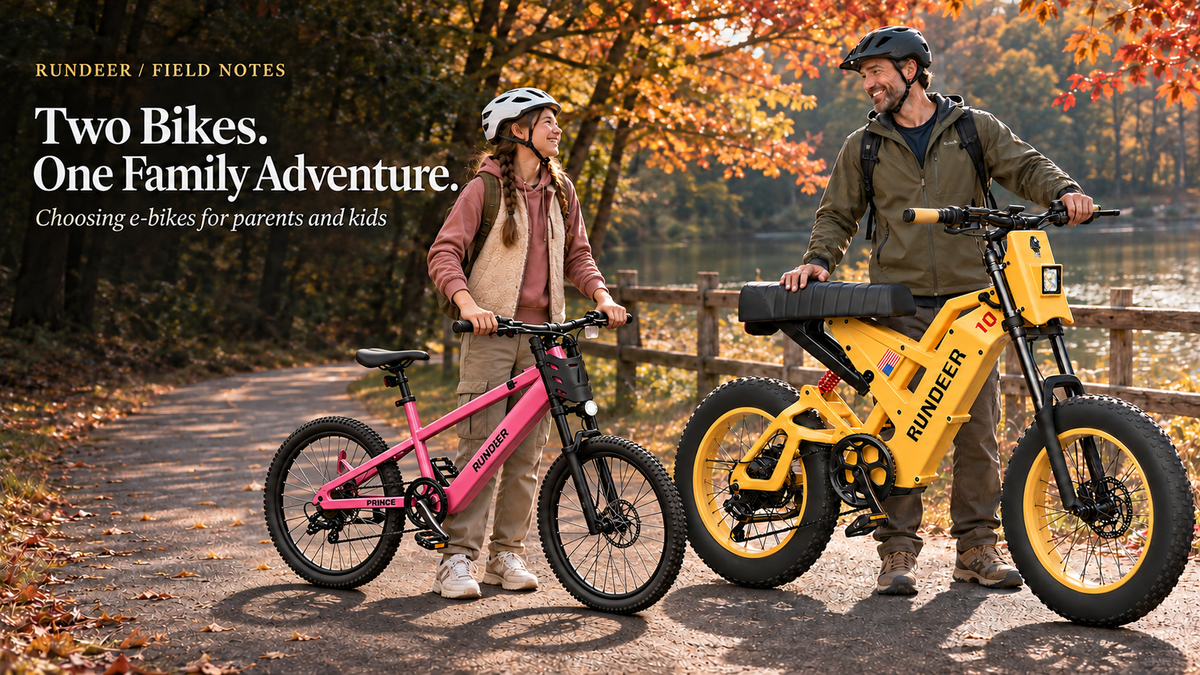
When comparing the Rundeer Attack 10 for an adult and the Prince for a younger rider, begin with each person’s needs. Then plan how the two bikes will fit into the outings you want to share.
Choose Each Bike Around Its Rider
For the adult, consider the rides you expect to take both alone and with your child. Think about fit, comfort, storage, and the ability to move the bike by hand. If you plan to transport it, confirm that your rack and vehicle can accommodate the exact bike.
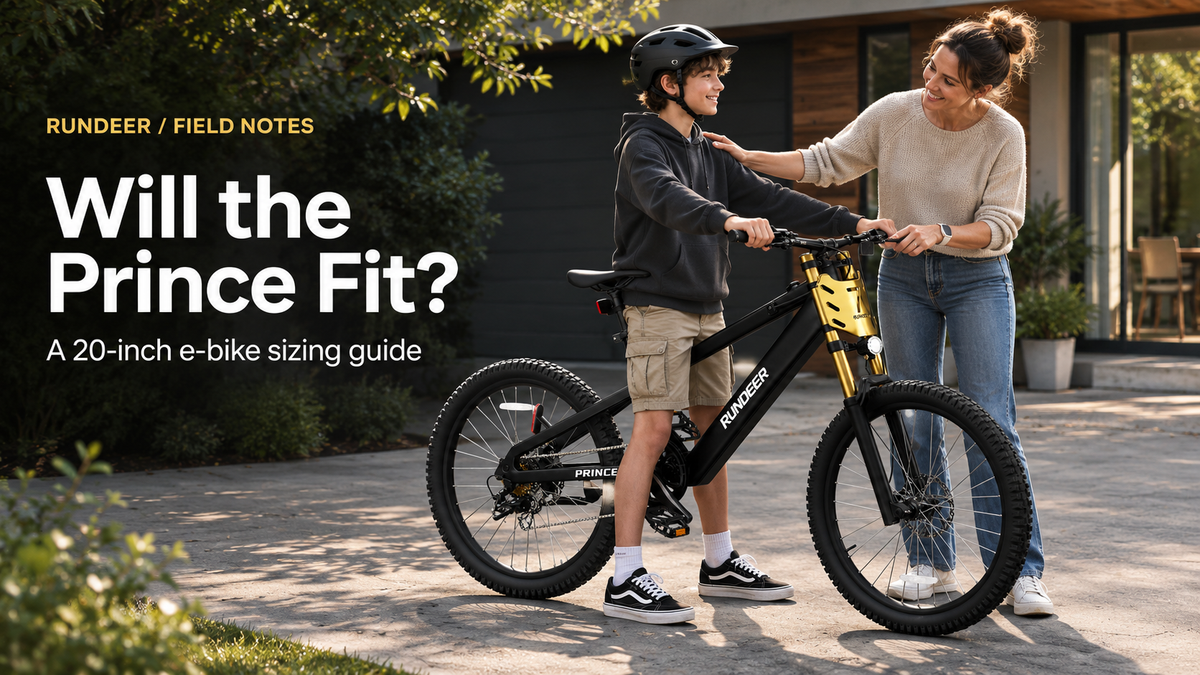
For the younger rider, focus on control reach, mounting and dismounting, and independent starting and stopping. Compare their current measurements with the Prince’s published sizing information and confirm the manufacturer’s rider requirements.
The adult and child may need different frame proportions, riding positions, and equipment. Assess each bike on its own before treating the pair as a family purchase.
Picture a Typical Weekend Before Comparing Features
Write down one outing you would genuinely like to repeat.
Perhaps it begins at home, follows a familiar paved route, and ends at a park. Or perhaps your family drives to a permitted riding area and enjoys a short loop before lunch.
That simple plan reveals practical questions.
| Part of the outing | What to check |
|---|---|
| Getting the bikes ready | Can you access both bikes easily and complete the pre-ride checks? |
| Reaching the start | Will you ride from home or transport the bikes? |
| Following the route | Is the route suitable and permitted for both riders and bikes? |
| Taking a break | Is there a convenient place to stop, park, and rest? |
| Returning home | Can you shorten the outing if your child becomes tired? |
A route you can repeat comfortably gives the family a useful starting point. Longer destinations can follow as you learn what works.
Set a Shared Pace
An adult may feel ready to continue while a child wants to stop. Before leaving, agree that either rider can ask for a break or an earlier return.
Choose a pace that allows the younger rider to steer, observe the route, and stop comfortably. Make changes to settings while stopped, following the instructions for each bike.
Matching assistance numbers across two different models provides little information about how the riders will move together. Instead, pay attention to the actual pace and how comfortably your child is handling the ride.
At junctions or unfamiliar turns, regroup before continuing. A clear destination and a few planned meeting points reduce the pressure to keep up.
Make the First Outing Short and Familiar
For the first shared ride, choose somewhere you already know. A familiar route makes it easier to anticipate turns, surfaces, and stopping places.
Give the outing one simple purpose. Ride to a picnic bench, make a short loop, or visit a nearby park where riding is permitted. Leave enough time for your child to ask questions about the bike or stop to look at something along the way.
Afterward, ask what they enjoyed and what felt difficult. If they liked the destination but found one section tiring or uncomfortable, adjust that section before extending the ride.
A repeatable route also helps you learn how both bikes perform under your family’s usual conditions.
Plan for Two Bikes at Home
Buying a family pair also means finding space for two bicycles and their equipment.
Measure the storage area, including the doorway and the space needed to turn each bike. Decide where helmets and locks will go so preparing for a ride stays straightforward.
Keep each charger clearly identified and follow the charging instructions for its specific bike. An adult should manage charging and help the younger rider build a habit of reporting anything unusual.
If you plan to carry both bikes on a vehicle, check the rack’s individual-bike limits, total capacity, tire compatibility, and approved attachment methods before purchasing transport equipment.
Comparing the Prince and Attack 10 as a Family Pair
The Prince and Attack 10 give families two models to assess for different riders. The Prince belongs in the younger rider’s fit and readiness discussion. The Attack 10 can be evaluated around the adult’s riding needs and handling preferences.
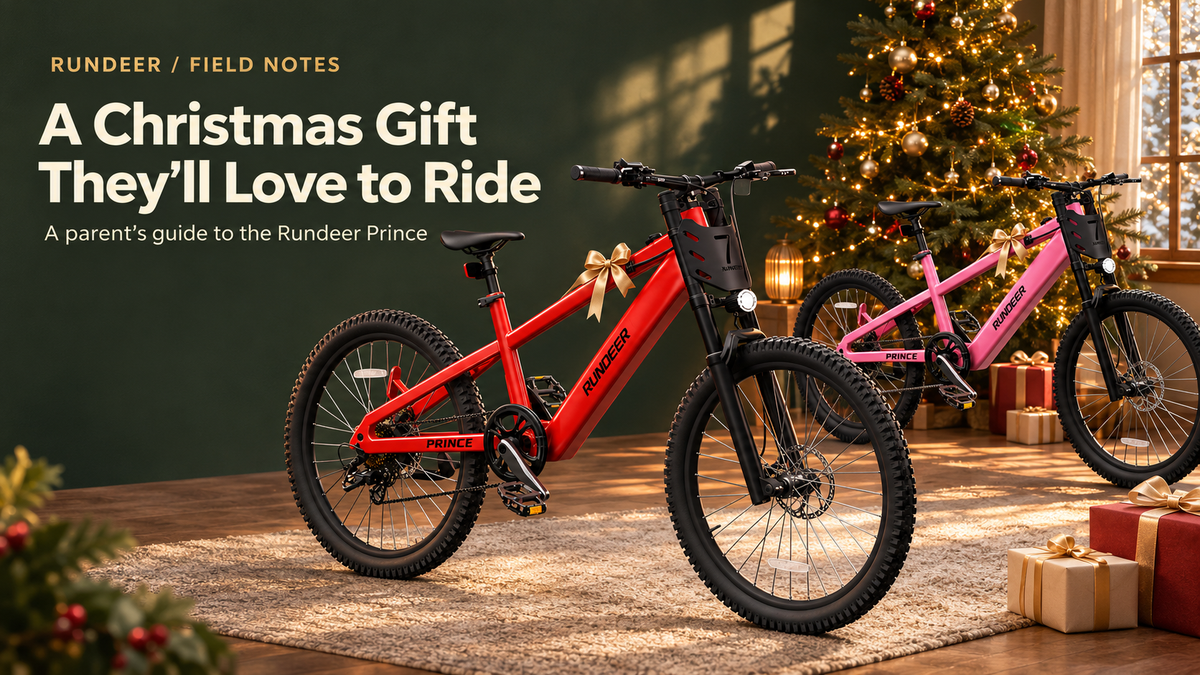
When reviewing a combo offer, confirm the exact models, colors, included items, final price, and delivery arrangements. Consider whether both bikes would be suitable choices individually.
With the bikes chosen, put the first family outing on the calendar. A familiar destination, a comfortable pace, and time for a snack give everyone something specific to look forward to.
Share:
Thinking of Giving a Kids’ E-Bike for Christmas? A Parent’s Gift Guide